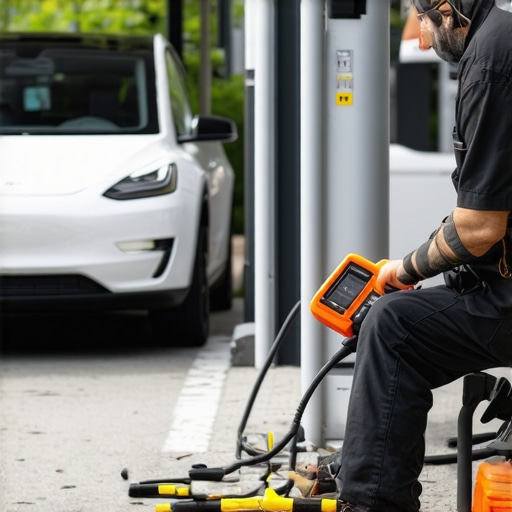

EV Charger Troubleshooting: Expert Tips for Safe Power & Reliability
It happened on a chilly Saturday morning. I plugged in my shiny new EV charger, expecting a quick and smooth charge. Instead, I got an error message and a frustrating sense of doubt creeping in. Early on, I made a rookie mistake—ignoring the importance of proper code compliance—which nearly turned a simple task into a safety hazard. That lightbulb moment taught me a vital lesson: troubleshooting and ensuring electrical safety isn’t just for electricians; it’s something every EV owner needs to understand.
Why Proper EV Charger Setup Can Save You Big Trouble
As my experience shows, installing an EV charger isn’t just about plugging it in and hoping for the best. Improper installation, overlooked code requirements, or inadequate panel upgrades can lead to safety issues, unreliable power, or even potential electrical fires. According to the U.S. Fire Administration, electrical failures are among the top causes of residential fires, with improper wiring accounting for a significant portion of these incidents. This emphasizes why meticulous attention to details like code compliance and proper panel upgrades matters more than ever for EV owners.
Are you confident that your EV charger installation is safe and up to code? If you’ve faced unpredictable charging issues or felt the need to troubleshoot repeatedly, you’re not alone. Many homeowners encounter similar hurdles—often because they overlook foundational safety steps.
Let’s dig into what went wrong with my setup and lay out practical, expert-backed tips to help you avoid the same pitfalls. We’ll explore how proper panel upgrades and understanding code compliance can make all the difference. Ready to ensure your EV charging station is both safe and reliable?
For a comprehensive step-by-step guide, check out [Troubleshooting EV Charger Connectivity Problems](https://brightsparkzelectric.com/troubleshooting-ev-charger-connectivity-problems), and if you’re considering upgrades, the [Panel Upgrades for Better EV Performance](https://brightsparkzelectric.com/upgrading-your-panel-for-better-ev-charging-performance) article offers invaluable insights.
Now, onto part one—discovering the common mistakes and how to avoid them, starting with the critical importance of code compliance and panel compatibility.
Verify Your Electrical Panel Compatibility Before Installation
Start by inspecting your home’s electrical panel to determine if it can handle your EV charger. Think of your panel as a highway; if it’s already congested or lacking lanes, adding a new lane (your charger) can cause traffic jams or accidents. Remove the panel cover and check the amperage rating—ideally, a panel should support at least a 50amp circuit for Level 2 chargers. During my first attempt, I overlooked this step and initially installed a charger without sufficient panel support. The breaker kept tripping, leading to frustration and unsafe conditions. This experience underscored the importance of verifying panel capacity or planning for an upgrade.
Upgrade Your Panel for Optimal Performance
If your panel isn’t compatible, consider a professional panel upgrade. This involves installing a dedicated circuit breaker sized correctly for your charger, ensuring steady power flow and safety. Think of this as adding a dedicated lane exclusively for your EV, preventing bottlenecks elsewhere in your home’s electrical system. Consulting a licensed electrician guarantees proper wiring, adherence to local codes, and safe installation.
Ensure Full Code Compliance to Avoid Hazards
Adhere to local electrical codes to guarantee safety. Code compliance is akin to following a recipe precisely; skipping steps or using faulty ingredients can result in a subpar or hazardous dish. Use resources like this guide to verify your setup. During my project, I submitted my plans for inspection and received feedback pointing out missing GFCI protection—a critical safety feature. Rectifying this ensured my charger operated safely and within code, avoiding potential electrical fires or shocks.
Implement Proper Wiring Practices and Use Quality Components
Wire with correct gauge and quality materials recommended for your circuit, just like choosing durable, high-quality components for a reliable machine. Using undersized wire or cheap components increases fire risk and reduces equipment lifespan. During early troubleshooting, I replaced my cheap wiring with certified copper wires, which improved the stability and safety of my charging setup. Remember, investing in quality wiring and connectors pays off through enhanced safety and longevity.
Consult Professionals When in Doubt
If uncertainties arise, don’t hesitate to seek expert advice. A licensed electrician can perform thorough inspections and handle complex tasks like panel upgrades or code compliance checks. For personalized assistance, contact professionals through this contact page. My experience confirmed that professional guidance prevents costly mistakes, ensures full compliance, and guarantees a safe, reliable charging station in your home.
Many EV owners mistakenly believe that passing the basic inspection guarantees their charging setup is fully safe and optimal. But in reality, a superficial compliance check can hide nuanced pitfalls that undermine safety and performance. For example, some assume that simply installing a dedicated circuit is enough, overlooking the critical importance of correct wiring practices and detailed code adherence. This oversight can lead to subtle fire hazards or unreliable charging, issues that often surface only after costly troubleshooting. Advanced mistakes include misinterpreting local electrical codes—many believe code requirements are universally standard, but in fact, they vary significantly by region, and non-compliance can result in failed inspections or worse. According to electrical safety experts, the hidden nuances in code standards frequently trip up even seasoned electricians, illustrating the complex layers involved. One common myth is that newer, branded EV chargers inherently meet all safety standards; however, without proper installation and tailored panel upgrades, these units may still pose risks. Always verify with a comprehensive review of local code requirements through resources like this guide.Maintaining a safe and efficient EV charging station requires more than initial installation; it involves ongoing attention and the right tools. One essential device I personally rely on is a clamp meter, specifically the Fluke 376 FC. Its true RMS measurement and wireless connectivity allow me to monitor current flows remotely, ensuring my circuits operate within safe parameters. Regularly checking your circuit load prevents overloads and helps identify potential issues early, saving costly repairs and keeping your system compliant with safety standards. I also use a digital infrared thermometer to scan outlets and connection points, quickly spotting any hotspots that could indicate loose wiring or emerging faults—crucial for early troubleshooting. For software, I recommend integrating a home electrical monitoring system like Sense. It provides real-time data visualization, enabling you to notice unusual power fluctuations that could signal underlying problems. Over time, these tools help extend the lifespan of your system and maintain code compliance, especially as your energy demands grow. Looking ahead, smart monitoring technology is trending toward AI-driven predictive diagnostics, which could alert homeowners before minor issues escalate into major failures, significantly reducing downtime.
How do I maintain my EV charging setup over time?
Regular inspections are vital. Schedule quarterly visual checks for any signs of wire degradation or loose connections, and verify that your panel supports your current load, especially if you’ve added new electrical appliances. Keep your software up to date and calibrate measuring devices periodically. If you notice unusual behavior, such as inconsistent charging speeds or breaker tripping, consult a licensed electrician promptly. Upgrading your panel might be necessary if your system regularly approaches capacity, and a professional can help you plan for future expansion, ensuring both safety and performance. Remember, avoiding neglect in maintenance not only preserves your investment but also ensures your home remains compliant with evolving electrical code standards. For detailed guidance on upgrading your system for better EV performance, see this informative article. Don’t hesitate to try out a professional-grade clamp meter or a smart monitoring system—these tools can make a tangible difference in your long-term charging reliability.
Secret Lessons I Wish I Knew Earlier About EV Charger Safety
- Never underestimate the importance of thorough code research—assuming standard guidelines apply universally can lead to overlooked regional differences and safety hazards.
- Trust your instincts—if something feels off during installation or troubleshooting, pause and consult a professional before proceeding.
- Document every step of your setup process; this habit simplifies troubleshooting and ensures compliance during inspections, saving time and stress later.
- Invest in quality tools like a reliable clamp meter or thermal scanner; these can reveal issues invisible to the naked eye and prevent costly failures.
- Approach your EV charging setup as an evolving system—regularly scheduled inspections and updates are key to maintaining safety and performance over time.
Tools and Resources That Empower Me
- Smart Home Electrical Monitoring Systems like Sense provide real-time insights, helping me catch anomalies early and keep my system in top shape.
- High-Quality Wiring and Components are non-negotiable; I prefer certified copper wiring because of its durability and safety assurances.
- Comprehensive Guides and Expert Articles on [this site](https://brightsparkzelectric.com/how-to-verify-code-compliance-for-your-ev-charger-installation) have been invaluable for understanding regional code nuances and avoiding violations.
- Licensed Electrician Consultation is my go-to for complex upgrades or verifying compliance—personal assurance that my setup is safe and future-proof.
Unleashing Confidence in Your Electric Vehicle Journey
Taking control of your EV charging safety isn’t just about avoiding hazards—it’s about empowering yourself to make informed decisions and ensuring your home’s electrical health. Remember, every smart step you take today builds a safer, more reliable charging experience tomorrow. Don’t shy away from consulting professionals or investing in the right tools—your safety and peace of mind are worth it. Are you ready to elevate your EV charging setup and gain peace of mind? Share your experiences or questions below, and let’s keep the conversation flowing.
This article hits home, especially for those of us new to EV ownership. I remember my own experience trying to install a home charger without fully understanding the importance of a dedicated circuit or proper wiring. It was a learning curve that thankfully didn’t lead to any safety issues but definitely made me realize how crucial it is to verify panel capacity and code compliance before proceeding. One thing I found particularly helpful was using a clamp meter to monitor current loads during initial use—it gave me peace of mind knowing everything was operating within safe limits. I wonder if others have recommendations for portable tools or software that make ongoing monitoring easier for laypeople, especially those who aren’t trained electricians? Also, with the rapid technology advancements, does anyone have experience with Integrating AI-powered diagnostics into their home electrical systems? Would love to hear how others are staying ahead of potential issues while maximizing safety and efficiency.